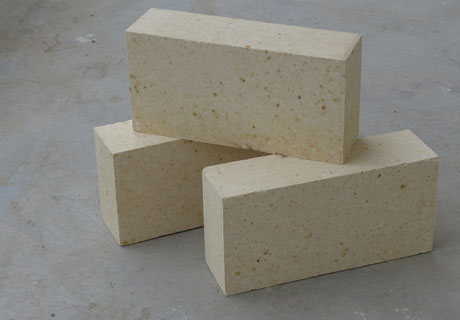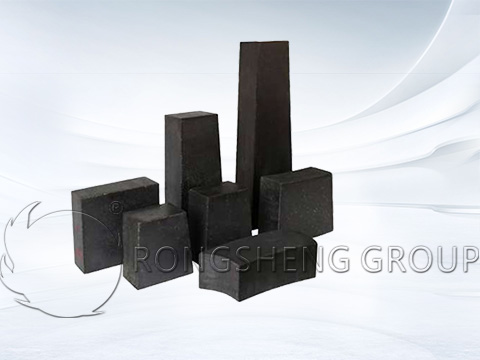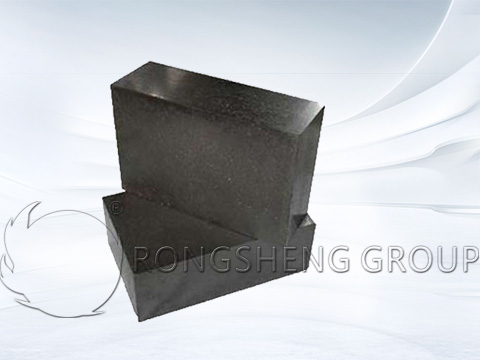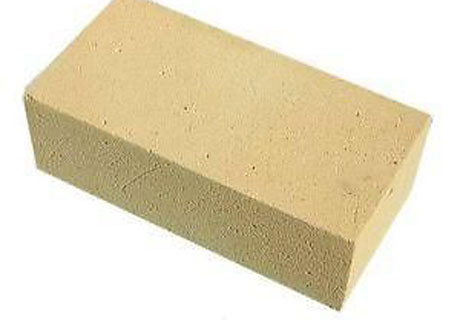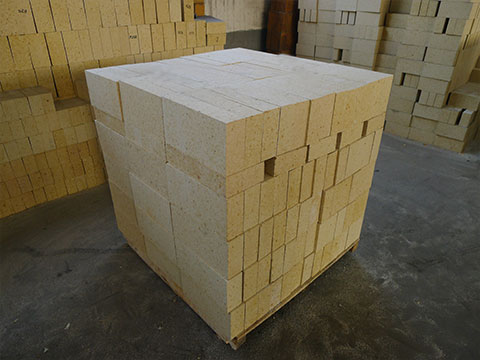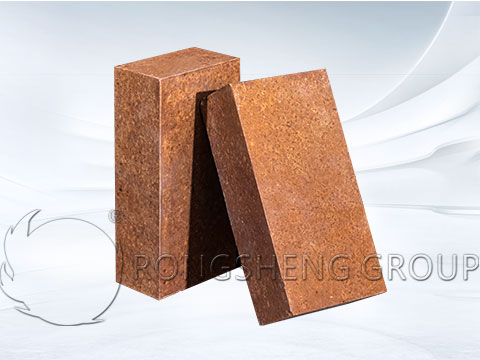
Basic magnesia bricks are an important type of refractory material, primarily composed of magnesium oxide (MgO) and basic oxides (such as CaO and SiO₂). These refractory bricks are renowned in the industry for their excellent high-temperature resistance and erosion resistance. Based on their chemical composition and physical properties, basic magnesia refractory bricks can be classified into different types, mainly including ordinary basic magnesia refractory bricks, basic magnesia-alumina refractory bricks, and basic magnesia-ferromagnesia refractory bricks. Ordinary basic magnesia refractory bricks are widely used in general industrial kilns due to their lower cost. Basic magnesia-alumina refractory bricks, on the other hand, are often used in high-temperature equipment such as converters and electric furnaces in the metallurgical industry due to their superior erosion resistance. What are the applications of basic refractory bricks in the field of new energy?
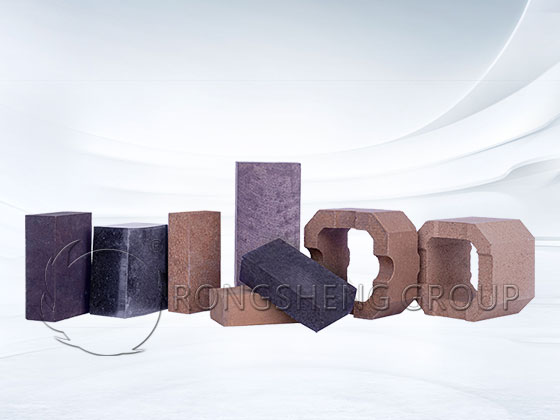
Applications of Alkali Magnesia Bricks in New Energy Fields
Applications of Alkali Magnesia Refractory Bricks in Concentrated Solar Power Generation
In concentrated solar power generation (CSP), alkaline magnesia bricks are widely used in the construction of various key components, including solar concentrators and reflectors. In solar concentrators, alkaline magnesia refractory bricks serve as crucial supporting materials, capable of withstanding the high-temperature energy from sunlight and effectively concentrating it onto the collector tubes. Their high-temperature stability ensures that the concentrator will not undergo structural deformation or damage under prolonged high temperatures, thus guaranteeing the stable operation of the CSP system. Reflectors are designed to reflect sunlight onto the concentrator to improve energy conversion efficiency. The excellent thermal conductivity of alkaline magnesia refractory bricks accelerates the heat transfer process of solar energy, further enhancing the overall performance of the CSP system.
Application of Alkali Magnesia Refractory Bricks in Wind Power Generation
Wind turbines convert wind energy into mechanical energy, and then into electrical energy, by rotating blades. The combustion chamber is a key component in this process, used to burn fuel to produce high-temperature gases that drive the turbine. Due to the high temperature of the gases inside the turbine, the refractory materials need to withstand the high temperatures and maintain structural stability to ensure the safe operation of the turbine. High-temperature components of wind turbines, such as heat exchangers and exhaust pipes, also require high-temperature resistant refractory materials to ensure stable system operation. The excellent thermal conductivity of alkaline magnesia bricks allows them to quickly transfer heat from the high-temperature gases, helping to maintain a stable operating temperature within the system and improving energy efficiency.
Application of Basic Magnesia Refractory Bricks in the Hydrogen Energy Industry
In the hydrogen energy industry, high-temperature reactors are a key piece of equipment used in processes such as steam reforming and methane reforming to produce hydrogen. Basic magnesia refractory bricks are widely used in the hydrogen energy industry due to their excellent high-temperature stability and corrosion resistance. Firstly, basic magnesia refractory bricks can withstand long-term operation under high-temperature environments, maintaining stable physical and chemical properties to ensure the normal operation of the reactor. Secondly, they can resist the erosion of corrosive gases such as hydrogen and steam, extending the service life of the equipment and reducing maintenance costs. During hydrogen production, the reactor interior needs to withstand a high-temperature and high-pressure working environment and maintain good thermal conductivity to ensure efficient reaction. Basic magnesia bricks have excellent thermal conductivity, enabling them to rapidly conduct heat throughout the reactor interior, maintaining a uniform temperature distribution and improving the reaction rate and efficiency.
Application of Alkaline Magnesia Refractory Bricks in Biomass Energy
Biomass energy is a renewable energy source that utilizes biomass resources such as wood and straw for energy conversion, including processes such as biomass combustion, gasification, and fermentation. In the production and utilization of biomass energy, alkaline magnesia refractory bricks are commonly used in the internal structure construction of biomass combustion boilers or biomass gasification equipment. Because the high-temperature combustion gases produced during biomass combustion place high demands on the internal materials of the equipment, refractory materials are needed to construct the furnace and internal structure of the boiler. Due to its excellent high-temperature stability and corrosion resistance, alkaline magnesia refractory bricks are widely used in biomass combustion boilers, effectively withstanding the impact of high-temperature combustion gases and extending the service life of the equipment. In biomass gasification equipment, refractory materials are also needed to construct the internal structure of the reactor to withstand the high-temperature environment and corrosive gases. Due to its excellent high-temperature resistance and corrosion resistance, alkaline magnesia refractory bricks are widely used in biomass gasification equipment, effectively maintaining stable operation and efficient production.
Exploring Application Potential in Other New Energy Fields
Besides the previously mentioned fields of concentrated solar power (CSP), wind power, hydrogen energy, and biomass energy, basic magnesia bricks also have broad application potential in other new energy fields. In geothermal power generation systems, geothermal wells are a key component for extracting underground heat energy. Due to the harsh working environment of geothermal wells, refractory materials resistant to high temperatures and corrosion are required to construct the well walls. Basic magnesia refractory bricks, due to their high-temperature resistance and corrosion resistance, are expected to be used in the construction of geothermal well walls to improve the stability and reliability of geothermal power generation systems. In the nuclear energy industry, nuclear reactors are crucial equipment for energy conversion, and their internal structures also require refractory materials capable of withstanding extreme high temperatures and radiation environments. In the energy storage field, such as combined heat and power systems or thermal storage devices, high-temperature resistant refractory materials are also needed to withstand high-temperature heat or store heat.
In the new energy field, basic magnesia refractory bricks, as key refractory materials, play an important role in CSP, wind power, hydrogen energy, and biomass energy. This article has demonstrated that basic magnesia refractory bricks possess advantages such as high-temperature stability, erosion resistance, and good thermal conductivity, making them promising for applications in new energy equipment. We must continuously strengthen technological innovation, improve product quality and environmental performance, actively expand into international markets to cope with the fiercely competitive environment, and make greater contributions to promoting the development of sustainable energy.