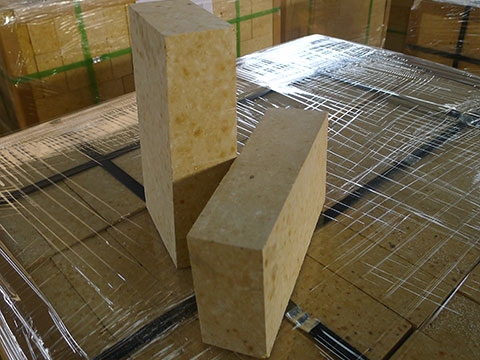
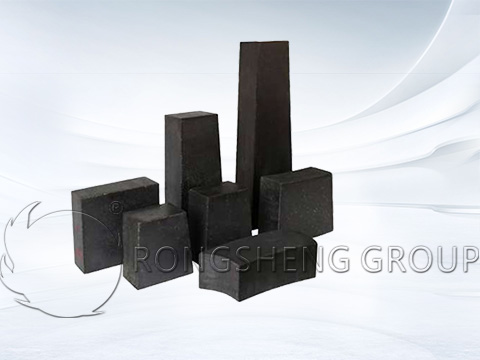
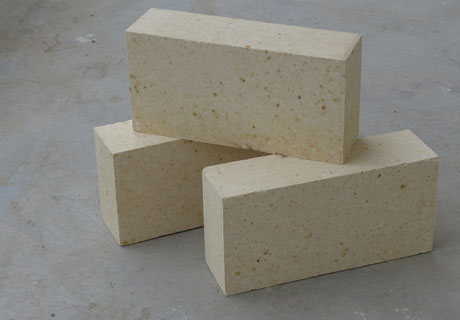
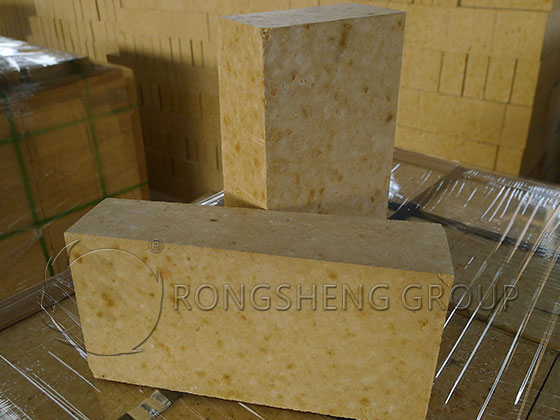
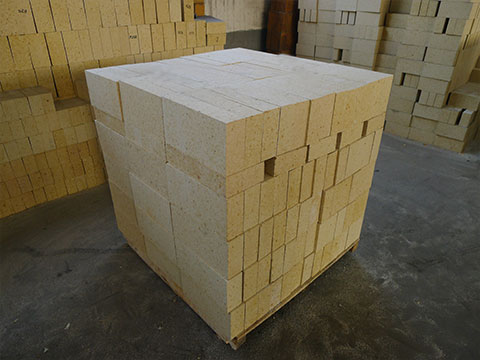
Silica-corundum bricks are high-grade composite refractory products obtained by upgrading traditional phosphate-bonded high-alumina bricks through “three highs”—increasing the grade of bauxite, increasing the Al₂O₃ content, and introducing a high proportion of silicon carbide. The preparation process follows the mature route of phosphate bricks: precise batching → sufficient material conditioning → high-pressure molding → low-temperature sintering at 600 ℃. However, due to the leap in raw materials and the combination with SiC, a significant leap in performance has been achieved.
Material Composition and Production Process of Silica-Corundum Bricks
Silica-corundum bricks are composite materials developed from traditional phosphate-bonded bricks. Their core improvement lies in using high-grade bauxite raw materials, significantly increasing the alumina content, and incorporating a certain proportion of silicon carbide micropowder as a reinforcing phase.
After optimizing the raw material ratio, the material undergoes thorough homogenization and is then pressed into shape using a high-pressure molding process, finally sintered at approximately 600℃.
From a production process perspective, the production steps for silica-corundum bricks are basically the same as those for traditional phosphate bricks, covering batching, curing, molding, and heat treatment. The essential difference lies in the quality of the raw materials: silica-corundum bricks use high-grade bauxite with higher bulk density and superior alumina content, and significantly increase the proportion of silicon carbide added. This results in a composite microstructure of “silicon” (silicon carbide) and “corundum” (high-alumina phase), which is the technical origin of its name.
Microstructure and Density of Silica-Corundum Bricks
High-quality bauxite provides the corundum-mullite framework, with silicon carbide particles dispersed, forming a SiO₂-Al₂O₃-SiC multiphase structure at high temperatures. A high bulk density of ≥2.8 g·cm⁻³ can be achieved through low-temperature sintering. The porosity is significantly lower than ordinary phosphate bricks, resulting in a tighter matrix bond and providing microscopic protection for subsequent wear resistance and erosion resistance.
Performance Advantages of Silica-Corundum Bricks
- Wear Resistance: The density and SiC hardness work synergistically, resulting in wear rate approximately 1/3 that of phosphate bricks.
- Erosion Resistance: Resistance to alkaline oxides, zinc vapor, and CaO erosion in quicklime is increased by 2–3 times.
- Load Softening: The high-alumina, high-SiC formula allows for a softening start temperature of ≥1550 ℃ under a 0.2 MPa load, hence the name “high-load-softening wear-resistant brick”. 4. Thermal efficiency: It can be combined with lightweight insulation materials to reduce heat loss from the kiln shell, slow down the rate of temperature drop in the firing zone, and reduce fuel consumption simultaneously.
Appearance and Quality Identification of Silica-Corundum Bricks
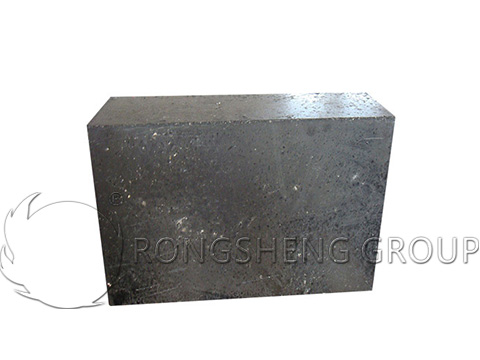
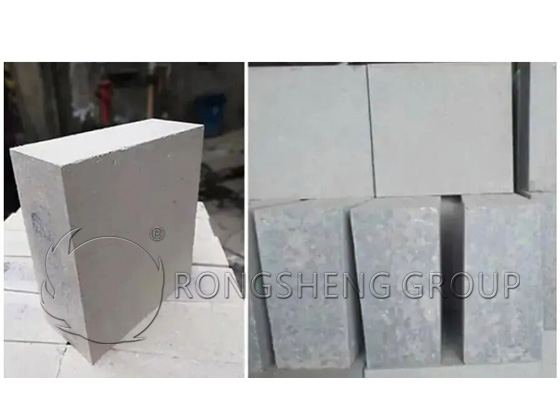
The bricks are a uniform dark gray with a distinct metallic luster on the cross-section, darker than ordinary phosphate bricks. A crisp sound when struck indicates high density and low microcrack rate.
Typical Applications of Silica-Corundum Bricks
-
Zinc Volatilization Rotary Kiln Firing Zone
The kiln experiences high temperatures, mechanical erosion, and chemical corrosion from Zn vapor. Conventional phosphate bricks have a lifespan of less than 3 months. Silica-corundum bricks with a bulk density of 2.90–2.95 g·cm⁻³ can extend the maintenance cycle to 9–12 months. The frequency of kiln shutdowns for maintenance is reduced in tandem with zinc powder contamination.
-
Lime Rotary Kiln Firing Zone
Lime activity requires a stable temperature profile. A composite lining of 2.80 g·cm⁻³ silica-corundum bricks and a lightweight layer is used. This resists CaO corrosion and mitigates temperature fluctuations, reducing fuel consumption per ton of lime by 5–8%.
-
Other high-temperature wear-resistant parts
For example, in the transition zone of cement kilns and the throat of non-ferrous metal smelting furnaces, it can also be used to meet the requirements of both wear resistance and erosion resistance.
Key Points for Using Silica-Corundum Bricks
Phosphate mortar is still required for installation. The heating curve can be slightly faster than that of traditional phosphate bricks, but free water must still be fully removed before reaching 600℃. When composited with lightweight layers, attention should be paid to leaving expansion joints to prevent shear stress caused by density differences.
Silica-corundum bricks achieve enhanced performance through “raw material composite + low-temperature sintering.” They retain the advantages of phosphate bricks, such as easy construction and no high-temperature firing, while achieving the same level of high-end spinel-chromium corundum bricks in key indicators such as wear resistance, erosion resistance, and high load-bearing capacity. This provides an economical, efficient, and long-life lining solution for harsh conditions such as zinc volatilization kilns and lime kilns.