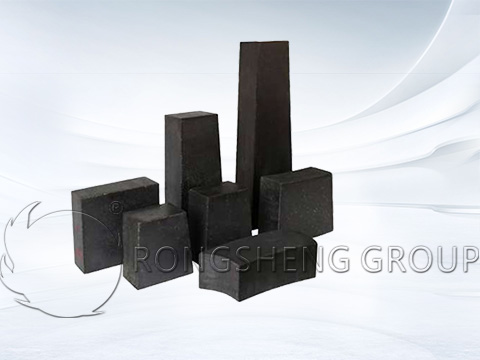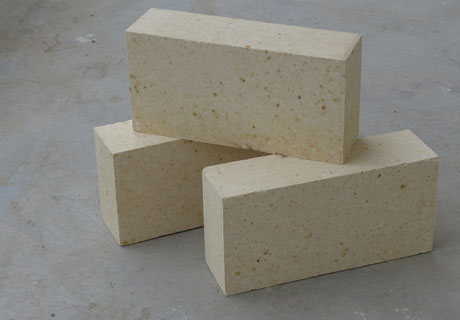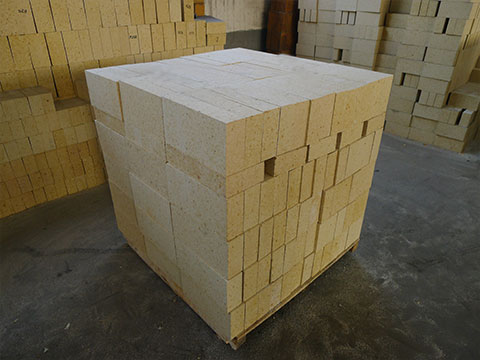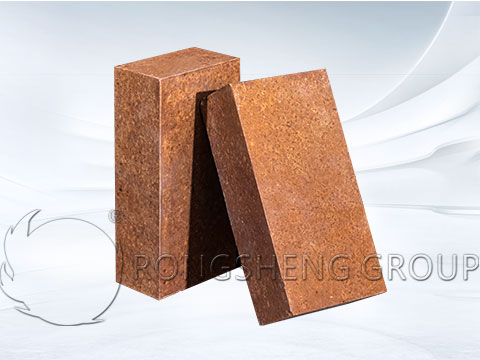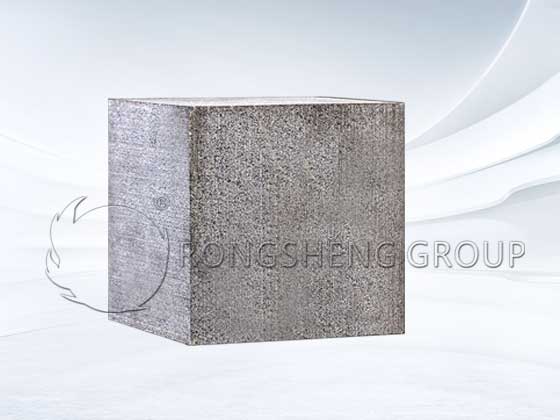
Sillimanite bricks are refractory bricks made from sillimanite minerals. Sillimanite melts at high temperatures, transforming into mullite and free silica. They are typically produced using high-temperature firing and stress casting methods. Their physical and chemical properties are better than high-alumina bricks, with a refractoriness of 1770–1830 °C and a load softening point of 1500–1650 °C. In glass furnaces, compared to clay bricks, sillimanite lip bricks have a higher high-temperature load softening point, a dense, fine-grained structure and strength, good thermal shock resistance, and are less likely to cause bubbles in the molten glass. Therefore, they are suitable for use as lip bricks in the feed troughs of photovoltaic glass furnaces.
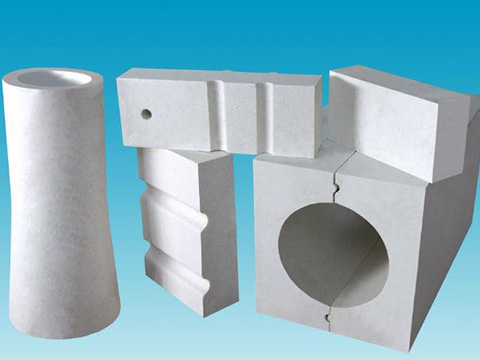
Core Performance Advantages of Sillimanite Bricks
The superior performance of sillimanite bricks makes them an ideal choice for these harsh environments:
- High refractoriness: 1770~1830℃
- High softening temperature under load: 1500~1650℃
- Low thermal expansion coefficient and good thermal shock resistance
- Strong resistance to erosion by metallurgical slag and molten glass
- Good high-temperature wear resistance
These characteristics collectively ensure their long-term stable operation in high-temperature and highly corrosive environments.
Main Applications of Sillimanite Bricks
Sillimanite bricks are high-performance refractory materials made primarily from sillimanite minerals. Due to their excellent high-temperature resistance, erosion resistance, and thermal shock resistance, they are widely used in various high-temperature industrial fields.
Sillimanite Bricks for Glass Furnaces
The glass industry is the core application area for sillimanite bricks. They are extensively used in key parts of float glass production lines, such as tin bath top cover bricks, flow channels, feed ducts, feeders, rotary tubes, feed basins, and gate bricks. Their low thermal expansion rate and excellent resistance to molten glass erosion effectively reduce contamination of the molten glass, improve glass quality, and significantly extend equipment lifespan.
Grate arch bricks, grate arch slag bricks, reinforcing bricks, slag bricks, and T-shaped bricks are typically constructed using low-porosity clay bricks. However, if funds allow, sillimanite bricks can also be used.
The bottom (below 800℃) experiences alternating hot and cold temperatures, bears heavy loads, and is less susceptible to erosion by alkaline materials. Therefore, materials with good thermal stability and load-bearing capacity are required, typically low-porosity clay bricks (DN-12, DN-13, or DN-15) or sillimanite bricks.
For the regenerator grid, which is susceptible to erosion from flying debris, the commonly used grid brick configuration from bottom to top is as follows: low-porosity clay bricks or sillimanite bricks → directly bonded magnesia-chrome bricks (or magnesia-alumina bricks, magnesia-olivine bricks) containing 12% chromium → 96% high-purity fused magnesia bricks → 98% high-purity fused magnesia bricks → 2–4 layers of magnesia-zirconium bricks (VZ) or sintered zirconia-corundum bricks.
Sillimanite Bricks for the Metallurgical Industry
In blast furnaces, sillimanite bricks are used in furnace linings, throats, and other areas susceptible to thermal stress and slag erosion. For example, a steel company selected low-creep mullite-sillimanite bricks for key areas of its new No. 3 blast furnace to ensure its long service life. They are also used in the furnace heads and other parts of coke ovens.
Sillimanite Bricks for the Ceramic Industry
Sillimanite bricks and their raw materials are used to manufacture ceramic kiln furniture, such as kiln shelves, pushers, and saggers. The volume expansion effect of sillimanite when it transforms into mullite at high temperatures can counteract the shrinkage of the green body during firing, improving the thermal shock resistance and dimensional stability of the kiln furniture and extending its service life.
Other High-Temperature Equipment
Sillimanite bricks are also used in the linings of industrial kilns and boilers in the petrochemical, power, and cement industries, as well as in honeycomb ceramic components in regenerative heat exchangers for efficient waste heat recovery.