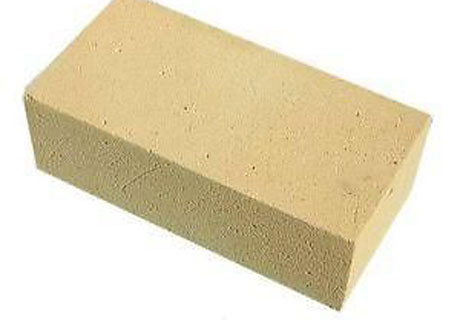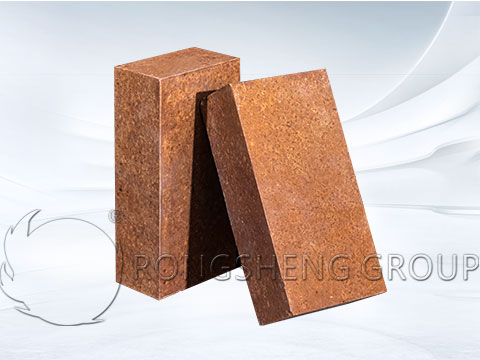
The main function of acid-resistant bricks in flues is to resist the corrosive acidic media in the flue gas, protect the flue structure, and ensure its long-term safe, stable, and efficient operation. RS Refractory Bricks Factory supplies high-quality acid-resistant bricks for flues. Contact RS Refractory Factory for free samples and quotations.
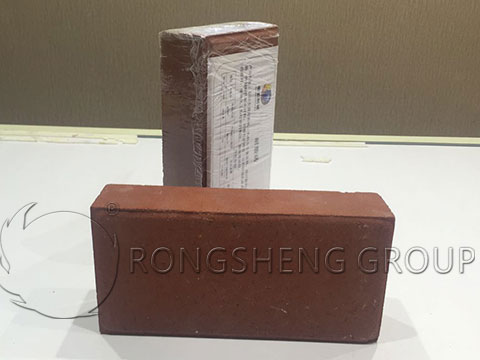
The Role of Acid-Resistant Bricks in Flues
Specifically, acid-resistant bricks play the following key roles in flues:
-
Resistance to Acid Corrosion: Core Function.
Resisting acid corrosion is the most important function of acid-resistant bricks. Flue gas often contains acidic gases such as sulfur oxides (SOx), nitrogen oxides (NOx), hydrogen chloride (HCl), and hydrogen fluoride (HF). When the flue gas temperature drops below the dew point, these gases combine with water vapor to form highly corrosive liquids such as sulfuric acid, nitric acid, hydrochloric acid, and hydrofluoric acid (called “acid dew” or “acid condensate”). Ordinary building materials (such as concrete, ordinary clay bricks, and metals) will suffer severe chemical corrosion after contact with these acidic liquids, leading to material pulverization, spalling, a sharp decrease in strength, and even structural damage. Acid-resistant bricks are made of acid-resistant aggregates (such as quartz, feldspar, and diabase) and acid-resistant binders (such as water glass). They have extremely high chemical stability and can effectively resist the erosion of the above-mentioned acids, protecting the inner wall and structural layers of the flue.
-
Withstands high temperatures and temperature fluctuations.
Flue gas typically has high temperatures, and these temperatures fluctuate drastically during start-up, shutdown, and changes in operating conditions. Acid-resistant bricks possess excellent heat resistance and thermal stability (the ability to resist rapid temperature changes). They can maintain structural strength and chemical stability in high-temperature environments (typically able to withstand temperatures above 200-300°C for extended periods, depending on the grade). They are not prone to cracking or peeling due to thermal expansion and contraction.
-
Resists erosion and wear.
High-speed flue gas may carry solid particles such as fly ash, unburned carbon particles, and desulfurization and denitrification byproducts (e.g., gypsum particles). These particles exert a continuous erosive and abrasive effect on the inner wall of the flue. Acid-resistant bricks typically have high hardness and density, effectively resisting this physical wear and extending the flue’s lifespan.
-
Provides a structural protective layer.
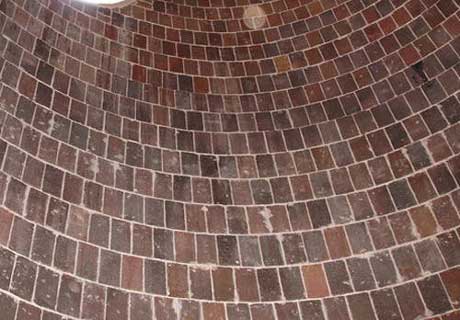
As the inner lining of the flue, acid-resistant bricks provide a robust and durable protective barrier for the internal concrete or steel structure, preventing corrosive media from directly contacting the main structure. This significantly extends the service life of the flue’s main structure and reduces costly maintenance and replacement.
-
Maintains flue performance.
Prevents corrosion and abrasion that could cause damage and spalling of the flue’s inner wall, avoiding roughening or the formation of ash and scale. This helps maintain the flue’s flow cross-section and design airflow, ensuring smooth smoke exhaust and reducing system resistance.
-
Ensures airtightness.
Acid-resistant bricks are typically used in conjunction with acid-resistant mortar. High-quality masonry provides excellent sealing, preventing corrosive media from penetrating the structural layer through the brick joints.
Application Scenarios of Acid-Resistant Bricks
Acid-resistant bricks are widely used in flues requiring the treatment of acidic gases in the following situations:
- ① Coal-fired power plants (especially the tail flues and chimneys of wet desulfurization (WFGD) systems).
- ② Waste-to-energy incineration plants.
- ③ Flues and chimneys of industrial boilers or kilns in chemical, metallurgical, petroleum, and coking industries.
- ④ Clean flues after wet FGD systems.
In acidic flue gas environments, acid-resistant bricks are a key lining material protecting flue structures from chemical corrosion, physical abrasion, and high-temperature damage. Through their excellent acid resistance, temperature resistance, abrasion resistance, and stability, they ensure the long-term structural integrity, operational safety, and economy of the flue, making them an indispensable protective material in industrial flue gas emission systems. Selecting the appropriate grade and construction quality of acid-resistant bricks is crucial for the service life of the flue.
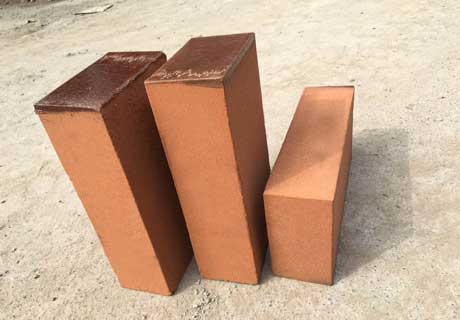
What is the difference between acid-resistant castables and acid-resistant bricks?
Acid-resistant castable is an amorphous material of varying grades bonded with water glass or phosphoric acid. Its properties include resistance to hot phosphoric acid, hydrofluoric acid, and fatty acid corrosion. Acid-resistant castable not only meets the anti-corrosion requirements in acidic environments but also meets fatigue requirements under alternating performance conditions, allowing it to be used in extremely harsh acidic environments.
Acid-resistant castable
The construction temperature for acid-resistant castable should be above 15℃, and construction should be avoided during the rainy season. During construction, add the material to a mixer and mix thoroughly. Add aggregate first, then powder, then binder. The mixed material must be used within 30 minutes.
Acid-resistant castable is mainly used for lining corrosion-resistant flues and chimneys, acid storage tanks, pickling tanks, nitric acid concentration towers, acid recovery furnaces, and other containers subjected to corrosion by acidic high-temperature gases.
Acid-resistant bricks
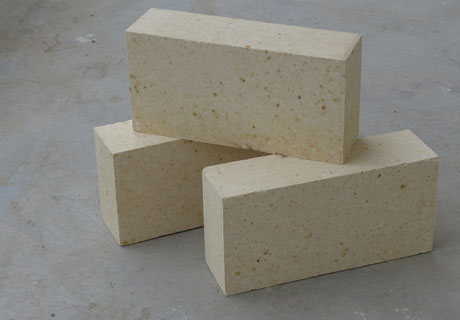
The main component of acid-resistant bricks is silicon dioxide, which forms a large amount of andalusite under high-temperature firing, resulting in high acid resistance. Due to their dense structure and low water absorption, acid-resistant bricks can withstand alkaline media of any concentration at room temperature, but are not resistant to molten alkali at high temperatures.
Acid-resistant bricks contain more than 70% silicon dioxide and are sintered. In the chemical industry, they are widely used in acid trenches, acid wells, acid storage tanks, and other impact-prone areas with high acid loads. Acid-resistant bricks effectively resist the corrosion of high-sulfur flue gas and are widely used in the lining of easily corroded materials such as chimneys and flues in thermal equipment in power, petrochemical, and metallurgical industries.
Differences between acid-resistant bricks and castable refractory
Acid-resistant bricks offer good fatigue resistance for linings, but are less suitable for irregular areas or areas with castings. Castable refractory offers better airtightness than integral casting, which provides excellent performance if properly installed, cured, and fired. Furthermore, it is easier to install, has a shorter production cycle, and can be produced and shipped immediately.